
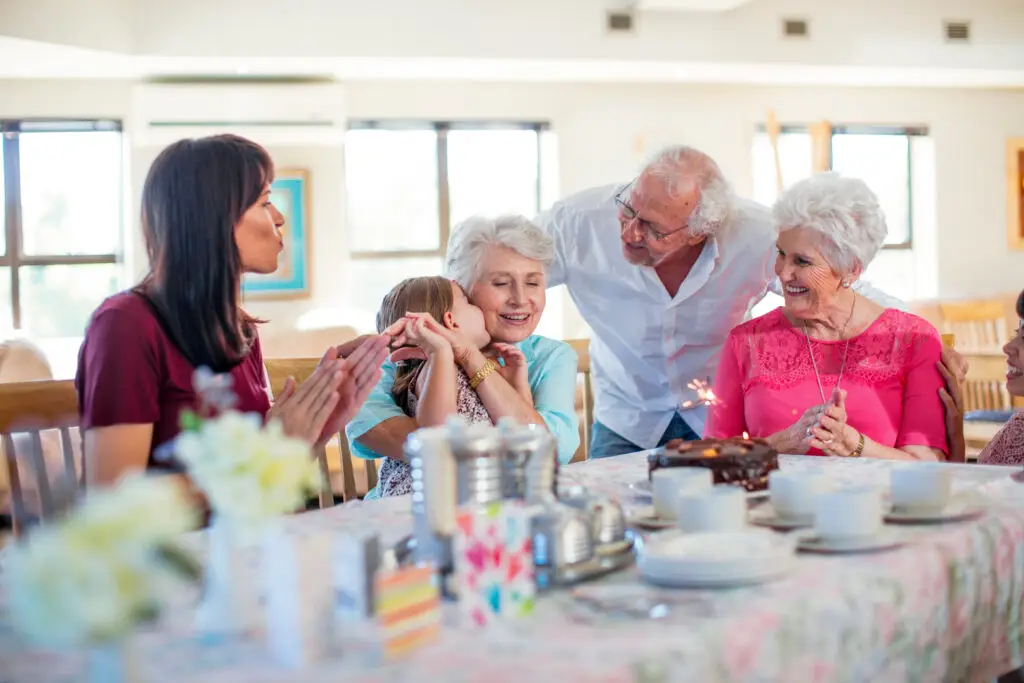
Grandparent relationships represent some of the most precious connections in family life, providing children with wisdom, unconditional love, and unique perspectives that only come from the special bond between generations. When grandparents move to assisted living, families often worry that these vital grandparent relationships might weaken or become less meaningful. However, with thoughtful planning and creative approaches, grandparent relationships can not only survive the transition to assisted living but actually grow stronger and more intentional.
The key to maintaining strong grandparent relationships after a move to assisted living lies in understanding that the nature of these connections may change, but their importance and emotional impact can remain just as powerful. Rather than focusing on what might be lost, families can discover new ways to nurture grandparent relationships that accommodate the realities of assisted living while preserving the love, wisdom-sharing, and special moments that make these bonds so meaningful.
Understanding the Impact of Assisted Living on Grandparent Relationships
Moving to assisted living represents a significant life transition that affects not just the grandparent but the entire family system, including the precious grandparent relationships that have developed over years or decades. Grandchildren may struggle to understand why their grandparent had to move, while grandparents might worry about becoming less central to their grandchildren’s lives or less accessible for important moments and milestones.
The physical separation that often accompanies a move to assisted living can create challenges for grandparent relationships, particularly if the facility is located far from family members. Grandparents who previously provided regular childcare, attended every school event, or hosted family gatherings may feel disconnected from their traditional roles within the family structure.
However, assisted living can also provide new opportunities for grandparent relationships to flourish in different ways. With reduced responsibilities for home maintenance and daily care tasks, grandparents may have more emotional and physical energy to devote to meaningful interactions with their grandchildren. The structured environment of assisted living can also provide stability and predictability that supports consistent communication and visit planning.
Common Concerns About Grandparent Relationships
Families often express specific worries about maintaining grandparent relationships after a move to assisted living:
Emotional concerns include:
- Fear that grandchildren will feel abandoned or confused
- Worry about losing the spontaneous moments that build relationships
- Concern about missing important milestones and everyday experiences
- Anxiety about becoming less relevant in grandchildren’s daily lives
Practical challenges involve:
- Coordinating visits around facility schedules and policies
- Adapting to new physical environments that may feel institutional
- Managing technology for virtual communication
- Balancing other family responsibilities with maintaining connections
Strategies for Maintaining Strong Grandparent Relationships
Creating Consistent Communication Routines
Establishing regular communication patterns forms the foundation of strong grandparent relationships when physical distance or facility living creates barriers to spontaneous interaction. These routines should be predictable enough to build anticipation and excitement while remaining flexible enough to accommodate changing schedules and circumstances.
Weekly video calls can become special events that grandchildren look forward to, providing opportunities for grandparents to stay involved in daily life, school activities, and social developments. Many families find that scheduling these calls for the same time each week helps both grandparents and grandchildren build the habit of staying connected.
Phone calls, while seemingly old-fashioned, often work better than video calls for some grandparent relationships, particularly when grandparents are more comfortable with traditional communication methods. The key is finding the communication approach that feels most natural and sustainable for both generations.
Effective communication strategies include:
- Scheduled weekly video or phone calls at consistent times
- Text messaging for quick updates and photo sharing
- Email exchanges for longer conversations and storytelling
- Voice messages that grandchildren can listen to repeatedly
- Shared digital photo albums that document family life
Adapting Traditional Activities for Assisted Living Settings
Many of the activities that previously strengthened grandparent relationships can be adapted for assisted living environments with creativity and advance planning. Rather than abandoning beloved traditions, families can modify these activities to work within the new context while preserving their emotional significance and relationship-building power.
Cooking together, a common grandparent-grandchild activity, might shift from elaborate meal preparation to simple projects that can be completed in assisted living kitchenettes or common areas. Baking cookies, making sandwiches, or preparing simple snacks can still provide the hands-on bonding experience while being manageable within facility constraints.
Reading together remains one of the most adaptable activities for maintaining grandparent relationships in assisted living. Grandparents can read to grandchildren during visits, share favorite books from their own childhood, or even participate in virtual reading sessions where they read the same book simultaneously while connected by video call.
Involving Grandchildren in Assisted Living Community Life
Rather than viewing assisted living as a barrier to grandparent relationships, families can help grandchildren become part of the community life, creating new shared experiences and expanding their understanding of aging and community living. This approach often strengthens grandparent relationships by providing new contexts for connection and learning.
Many assisted living communities welcome intergenerational activities and may have specific programs designed to involve grandchildren in community life. These might include holiday celebrations, talent shows, garden projects, or craft activities where grandchildren can participate alongside residents.
Community involvement opportunities:
- Participating in assisted living holiday parties and celebrations
- Joining grandparents for community meals and social events
- Helping with simple community service projects
- Attending entertainment events and performances
- Participating in intergenerational programs if available
Technology Solutions for Modern Grandparent Relationships
Technology has revolutionized the possibilities for maintaining grandparent relationships across distances and despite physical limitations. Modern communication tools can help bridge the gap between assisted living and family life, creating new opportunities for connection that weren’t available to previous generations.
Video Communication Platforms
Video calling platforms have become essential tools for grandparent relationships, allowing face-to-face interaction even when physical visits aren’t possible. These platforms enable grandparents to see grandchildren’s growth and development, observe their personalities and interests, and maintain visual connections that strengthen emotional bonds.
Many assisted living facilities now provide wifi access and technology support that makes video calling more accessible for residents. Some facilities even have dedicated spaces for video calls or provide tablets and training to help residents stay connected with family members.
The key to successful video communication for grandparent relationships lies in keeping expectations realistic and focusing on connection rather than technical perfection. Short, frequent calls often work better than lengthy sessions, and having backup communication methods available reduces frustration when technology doesn’t cooperate.
Digital Photo and Memory Sharing
Digital photo sharing has created new opportunities for grandparent relationships to stay current with family life and important moments. Grandparents can receive photos of daily activities, special events, and milestone moments almost instantly, helping them feel connected to their grandchildren’s ongoing experiences.
Creating shared digital photo albums allows grandparents to contribute their own memories and stories, creating collaborative family histories that strengthen grandparent relationships across generations. These digital collections can be accessed repeatedly, providing comfort and connection between visits or calls.
Digital sharing strategies include:
- Daily or weekly photo updates via messaging apps
- Shared family photo albums on cloud platforms
- Video messages capturing special moments
- Digital scrapbooks combining current and historical family photos
- Social media connections for appropriate family sharing
Creative Approaches to Maintaining Grandparent Relationships
Letter Writing and Storytelling Projects
Despite the prevalence of digital communication, traditional letter writing and storytelling can provide unique opportunities for grandparent relationships to deepen and create lasting memories. Hand-written letters from grandparents often become treasured keepsakes that grandchildren save throughout their lives.
Storytelling projects where grandparents share family history, personal experiences, or life lessons can create meaningful connections while preserving important family narratives for future generations. These projects might involve written memoirs, audio recordings, or video interviews that grandchildren can treasure and share with their own children someday.
Many families find that structured storytelling projects give grandparent relationships a sense of purpose and continuity that strengthens bonds while creating valuable family documentation. These projects also provide conversation topics for visits and calls, ensuring that interactions remain meaningful rather than superficial.
Collaborative Projects and Shared Interests
Identifying shared interests or developing collaborative projects can provide ongoing connection points for grandparent relationships that transcend physical separation. These projects might involve collecting, crafting, learning, or exploring topics that both grandparents and grandchildren find engaging.
Genealogy research, for example, can become a shared project where grandparents contribute family knowledge while grandchildren help with technology and research. This type of collaboration strengthens grandparent relationships while creating valuable family resources.
Collaborative project ideas:
- Family history research and documentation
- Shared hobby collections or interests
- Pen pal relationships with regular letter exchanges
- Collaborative art or craft projects
- Shared reading lists and book discussions
Managing Visits and Special Occasions
Making Visits Meaningful and Comfortable
Successful visits form the cornerstone of strong grandparent relationships in assisted living settings. These visits require more planning than spontaneous home visits but can be equally meaningful when approached thoughtfully. The key is creating comfortable, engaging experiences that work within the assisted living environment while focusing on connection rather than entertainment.
Timing visits around grandchildren’s schedules and energy levels helps ensure positive experiences for everyone involved. Shorter, more frequent visits often work better than lengthy sessions, particularly for younger grandchildren who may find assisted living environments overwhelming or unfamiliar.
Planning activities that work well in assisted living settings helps visits feel natural and engaging. Simple activities like looking through photo albums, playing card games, doing puzzles, or taking walks in facility gardens can provide meaningful interaction opportunities without requiring elaborate preparation or equipment.
Celebrating Special Occasions and Milestones
Birthdays, holidays, and other special occasions provide important opportunities for grandparent relationships to remain central to family celebrations. While these celebrations may need to be adapted for assisted living settings, they can maintain their emotional significance and tradition-building power with thoughtful planning.
Many assisted living facilities welcome family celebrations and may have designated spaces or policies that support these events. Understanding facility guidelines and working with staff to plan celebrations helps ensure that special occasions strengthen rather than stress grandparent relationships.
Special occasion strategies:
- Coordinating with facility staff for celebration planning
- Bringing celebrations to the assisted living community
- Creating new traditions that work within facility constraints
- Including grandparents in family celebrations via video calls when physical attendance isn’t possible
- Documenting celebrations through photos and videos for shared memories
Supporting Grandchildren Through the Transition
Helping Children Understand Assisted Living
Children may struggle to understand why their grandparent moved to assisted living or what this change means for their relationship. Age-appropriate explanations that focus on the positive aspects of assisted living while acknowledging the changes can help children adjust to new patterns of grandparent relationships.
Visiting the assisted living facility before the grandparent moves, if possible, can help children become familiar with the environment and feel more comfortable with future visits. Understanding the facility’s amenities, activities, and staff can help children see assisted living as a supportive community rather than a place where grandparents go when they’re no longer wanted at home.
Maintaining Emotional Connections
The emotional aspects of grandparent relationships often require the most attention during transitions to assisted living. Children may need reassurance that their grandparent’s love hasn’t changed and that they remain important parts of each other’s lives despite physical separation.
Regular communication about feelings, concerns, and positive experiences helps children process the changes in grandparent relationships while building resilience and adaptability. Focusing on the love that remains constant rather than the logistics that have changed helps preserve the emotional core of these precious relationships.
Final Thoughts
Grandparent relationships can remain strong and meaningful after a move to assisted living with intentional effort, creative adaptation, and focus on emotional connection rather than physical proximity. The key lies in recognizing that these relationships may evolve in form while maintaining their essential loving nature and importance to family life.
Families who approach this transition with flexibility, creativity, and commitment often discover that grandparent relationships can deepen in unexpected ways. The structured environment of assisted living, combined with thoughtful communication and visit planning, can provide new opportunities for meaningful connection that strengthen family bonds across generations.
Nurture Grandparent Relationships at Our Community: We invite you to visit our assisted living community to see how we support strong grandparent relationships through our family-friendly policies and welcoming environment. Our facilities include comfortable visiting areas, flexible meal policies for family gatherings, and staff who understand the importance of maintaining intergenerational connections. We offer technology support for video calling, accommodate family celebrations, and welcome grandchildren as valued members of our extended community family. Contact us today to learn how we help residents maintain the precious grandparent relationships that bring joy and meaning to family life.