
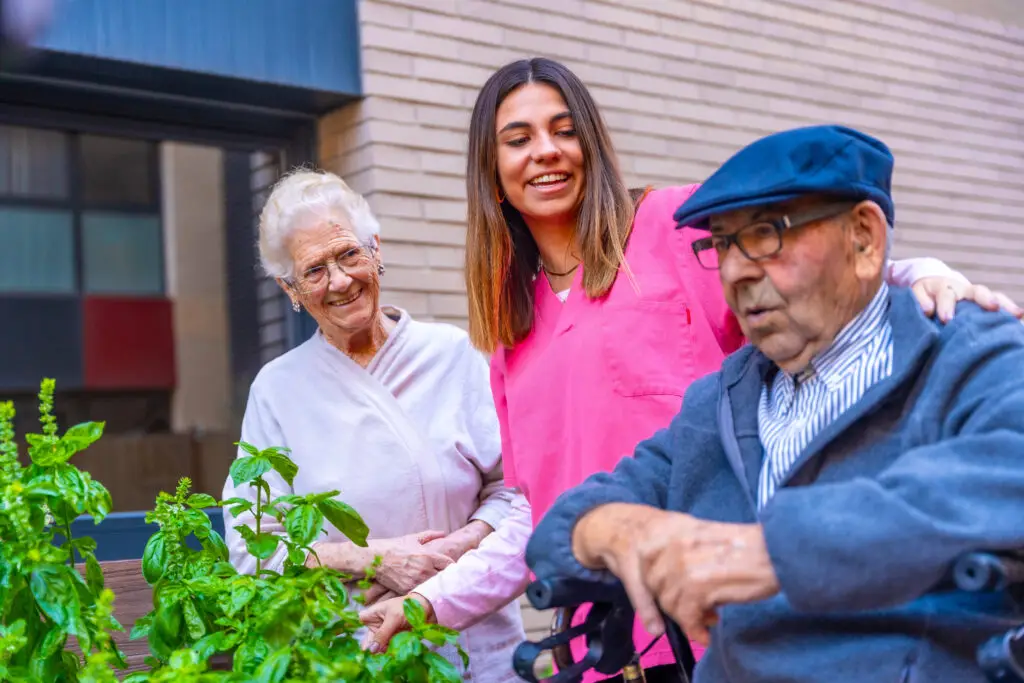
For older adults, maintaining senior independence represents one of the most significant aspects of quality of life. The ability to make choices, manage daily activities, and participate in meaningful pursuits contributes tremendously to dignity, self-esteem, and overall wellbeing. Understanding how to support senior independence—even when some assistance becomes necessary—remains a crucial consideration for older adults and their families.
The Importance of Senior Independence
Senior independence encompasses much more than simply living alone. It involves maintaining control over one’s life in several key dimensions:
- Making personal decisions about daily activities and routines
- Managing health care and medication needs appropriately
- Maintaining social connections and community involvement
- Handling financial matters and household responsibilities
- Pursuing hobbies, interests, and meaningful activities
- Adapting to changing circumstances with resilience
Research consistently shows that maintaining appropriate levels of senior independence correlates strongly with better physical health, improved cognitive function, lower rates of depression, and longer lifespans.
Common Challenges to Senior Independence
Several factors can threaten senior independence as people age:
Health Limitations
Physical changes that may impact senior independence include:
- Mobility restrictions affecting walking, standing, or climbing stairs
- Visual or hearing impairments complicating daily activities
- Chronic conditions requiring complex management
- Cognitive changes affecting decision-making or safety awareness
- Decreased strength and endurance for household tasks
These health challenges require thoughtful adaptations to preserve senior independence without compromising safety.
Environmental Barriers
The physical environment can either support or hinder senior independence:
- Multi-level homes with stairs becoming navigation hazards
- Bathrooms lacking grab bars or shower seats
- Poor lighting increasing fall risk
- Kitchen storage requiring reaching or bending
- Home maintenance demands exceeding physical capabilities
Many seniors find that their longtime homes gradually become obstacles to maintaining independence.
Social Isolation
The social dimension of senior independence often receives less attention but remains equally important:
- Transportation limitations reducing community access
- Loss of friends and family narrowing social circles
- Retirement removing workplace connections
- Technology barriers limiting virtual connection options
- Health conditions making outings more challenging
Without deliberate efforts to maintain social engagement, senior independence can be significantly compromised.
Strategies for Supporting Senior Independence
Fortunately, numerous approaches can help maintain and enhance independence for older adults:
Home Modifications
Thoughtful changes to the living environment can dramatically support senior independence:
- Installing grab bars, handrails, and shower seats
- Improving lighting, especially in stairways and transitions
- Removing tripping hazards like throw rugs and clutter
- Adding kitchen organizers to bring items within reach
- Creating a main-level living space if possible
Many home modifications supporting senior independence can be implemented affordably and without major renovations.
Technology Solutions
Today’s technology offers unprecedented support for senior independence:
- Medical alert systems providing emergency assistance
- Medication management devices with reminders and dispensing
- Smart home features controlling lighting and temperature
- Video calling platforms maintaining family connections
- Grocery and meal delivery services reducing shopping burdens
Even seniors with limited technology experience can benefit from carefully selected and properly introduced devices.
Transportation Options
Maintaining mobility beyond the home remains essential to senior independence:
- Ride-sharing services designed specifically for seniors
- Public transportation offering accessibility features
- Volunteer driver programs through community organizations
- Medical transportation services for healthcare appointments
- Family coordination systems for shared driving responsibilities
Access to reliable transportation dramatically expands opportunities for community engagement and self-sufficiency.
Support Services
Strategic assistance in specific areas can preserve overall senior independence:
- Housekeeping services managing heavier cleaning tasks
- Meal delivery or preparation for nutritional support
- Medication management systems ensuring proper adherence
- Bill-paying services maintaining financial organization
- Home maintenance services handling repairs and yard work
By outsourcing particularly challenging tasks, seniors can conserve energy for activities that bring meaning and joy.
Senior Living Communities and Independence
Many older adults discover that the right senior living community actually enhances rather than diminishes their independence:
How Communities Support Senior Independence
Quality senior living options promote independence through:
- Thoughtfully designed living spaces eliminating environmental barriers
- Dining programs offering nutrition without cooking requirements
- Transportation services maintaining community connections
- Maintenance-free living eliminating household burdens
- Social opportunities reducing isolation and loneliness
These advantages allow residents to focus their energy on meaningful activities rather than daily struggles with household responsibilities.
Finding the Right Balance
The best senior living communities recognize that senior independence exists on a spectrum, providing:
- Flexible service options based on individual needs
- Respect for personal preferences and choices
- Support that empowers rather than infantilizes
- Opportunities for meaningful contribution and purpose
- Regular reassessment as needs change over time
This balanced approach ensures that seniors receive necessary assistance while maintaining maximum independence in areas of strength.
Conversations About Senior Independence
Discussions about independence between older adults and their families require sensitivity and respect:
- Focus on enhancing quality of life rather than limiting autonomy
- Identify specific challenges rather than making broad assumptions
- Consider selective support rather than all-or-nothing approaches
- Involve the senior as the primary decision-maker whenever possible
- Recognize that independence may look different than it did previously
These conversations work best when approached as ongoing discussions rather than one-time interventions.
Final Thoughts
Senior independence represents a core value for older adults that deserves protection and support. By identifying specific challenges, implementing targeted solutions, and maintaining respect for personal choice, families can help seniors maintain meaningful independence even as circumstances change.
The goal should never be independence for its own sake, but rather the dignity, purpose, and quality of life that appropriate independence facilitates. With thoughtful planning and the right resources, many seniors can maintain the independence that matters most to them far longer than they might initially expect.
Experience Our Independence-Focused Community: We invite you to visit our senior living community to discover how our approach actually enhances independence rather than diminishing it. See how our thoughtfully designed living spaces, supportive services, and vibrant social atmosphere free our residents from daily burdens while expanding opportunities for meaningful engagement. Our professional team understands the delicate balance between support and independence, creating personalized plans that respect individual preferences and capabilities. Contact us today to schedule your personal tour and learn how we can help you or your loved one maintain the independence that matters most.