
The Best Senior Citizens Hobbies
Senior citizens hobbies play a crucial role in maintaining cognitive function, emotional health, and overall quality of life during the retirement years. Research consistently shows that engaging in meaningful activities helps seniors stay mentally sharp, socially connected, and emotionally fulfilled. The right senior citizens hobbies can provide structure to daily life, create opportunities for learning and growth, and offer the satisfaction that comes from pursuing personal interests and developing new skills.
Finding the perfect hobby often depends on individual interests, physical abilities, and social preferences. Some seniors thrive in group activities that foster community connections, while others prefer solitary pursuits that allow for quiet reflection and creativity. The key is selecting senior citizens hobbies that match personal interests while providing the mental stimulation and emotional satisfaction that contribute to healthy aging.
Activities in Assisted Living Facilities: Promoting Engagement and Wellbeing
Creative and Artistic Senior Citizens Hobbies
Creative and artistic pursuits offer seniors a powerful pathway to mental stimulation and emotional fulfillment, engaging both the mind and spirit in meaningful ways.
These activities not only provide opportunities for self-expression and personal growth but also help maintain cognitive function through the learning of new skills and techniques.
Whether it’s picking up a paintbrush for the first time or returning to a long-forgotten musical instrument, creative hobbies can reignite passion and purpose in later years.
The joy of creating something beautiful or meaningful with one’s own hands provides a deep sense of accomplishment and can serve as a wonderful way to connect with others who share similar interests.
1. Painting and Drawing
Painting and drawing represent some of the most therapeutic senior citizens hobbies available. These artistic pursuits engage multiple areas of the brain simultaneously, improving hand-eye coordination, spatial reasoning, and creative thinking. Watercolor painting, in particular, offers a forgiving medium that allows for experimentation and happy accidents that can lead to beautiful results.
Many seniors discover hidden artistic talents when they finally have time to explore creative expression without work pressures. Art classes designed specifically for older adults provide social interaction while teaching new techniques. The satisfaction of creating something beautiful with one’s own hands provides a sense of accomplishment that boosts self-esteem and emotional well-being.
Mental Benefits:
- Enhances focus and concentration
- Improves fine motor skills and hand dexterity
- Stimulates creative problem-solving abilities
- Provides meditative stress relief
2. Crafting and Needlework
Traditional crafts like knitting, crocheting, quilting, and embroidery offer some of the most accessible senior citizens hobbies. These activities require minimal equipment, can be done almost anywhere, and produce useful or beautiful items that can be gifted to family members or donated to charitable causes.
The repetitive nature of many crafting activities has been shown to lower blood pressure and reduce anxiety, similar to the effects of meditation. Additionally, the mathematical aspects of following patterns and calculating measurements help keep the mind sharp and engaged.
Art Therapy for Seniors: A Creative Approach in Assisted Living
Mental Stimulation Senior Citizens Hobbies
Mental stimulation hobbies provide seniors with engaging challenges that keep the mind sharp and active, helping to maintain cognitive function and potentially reducing the risk of mental decline.
These intellectually rewarding activities encourage problem-solving, strategic thinking, and continuous learning, which are essential for brain health as we age.
From puzzles that test memory and logic to games that require quick thinking and adaptation, these hobbies offer the perfect blend of entertainment and mental exercise.
Engaging in mentally stimulating activities also provides a sense of achievement and progress, boosting confidence and self-esteem while creating opportunities for social interaction with fellow enthusiasts.
3. Reading and Book Clubs
Reading remains one of the most beneficial senior citizens hobbies for maintaining cognitive function and emotional health. Regular reading improves vocabulary, enhances memory, and provides mental escape through engaging stories or learning through non-fiction works.
Book clubs add a social dimension to reading, creating opportunities for meaningful discussions and diverse perspectives on literature. Many libraries and community centers offer book clubs specifically designed for seniors, often focusing on topics of particular interest to older adults.
Cognitive Benefits:
- Strengthens memory and recall abilities
- Improves analytical thinking skills
- Expands vocabulary and knowledge base
- Reduces stress through mental escape
4. Puzzles and Brain Games
Crossword puzzles, sudoku, jigsaw puzzles, and card games represent engaging senior citizens hobbies that specifically target cognitive function. These activities challenge different aspects of mental processing, from logical reasoning to pattern recognition to memory recall.
Research suggests that regular engagement with puzzles and brain games may help delay cognitive decline and reduce the risk of dementia. The key is choosing activities that provide appropriate challenge levels—difficult enough to be engaging but not so hard as to cause frustration.
Assisted Living for Dementia: Specialized Care for Memory Loss
5. Learning New Languages
Language learning represents one of the most cognitively demanding senior citizens hobbies, engaging multiple brain systems simultaneously. Modern language learning apps and online programs make it easier than ever for seniors to explore new languages from the comfort of their homes.
Learning a new language improves executive function, enhances multitasking abilities, and may help protect against age-related cognitive decline. Many seniors choose to learn languages connected to their heritage or places they plan to visit, adding personal meaning to the learning process.
Physical and Outdoor Senior Citizens Hobbies
Physical and outdoor hobbies provide seniors with gentle yet effective ways to stay active while enjoying the mental and emotional benefits of fresh air and nature.
These activities help maintain mobility, balance, and cardiovascular health without requiring high-impact exercise, making them accessible to people with varying fitness levels.
Spending time outdoors has been shown to reduce stress, improve mood, and boost vitamin D levels, while physical movement helps combat feelings of isolation and depression.
Whether it’s tending to a garden, taking leisurely walks, or practicing tai chi in the park, these hobbies offer a perfect combination of physical wellness and mental rejuvenation that can significantly enhance overall quality of life.
6. Gardening
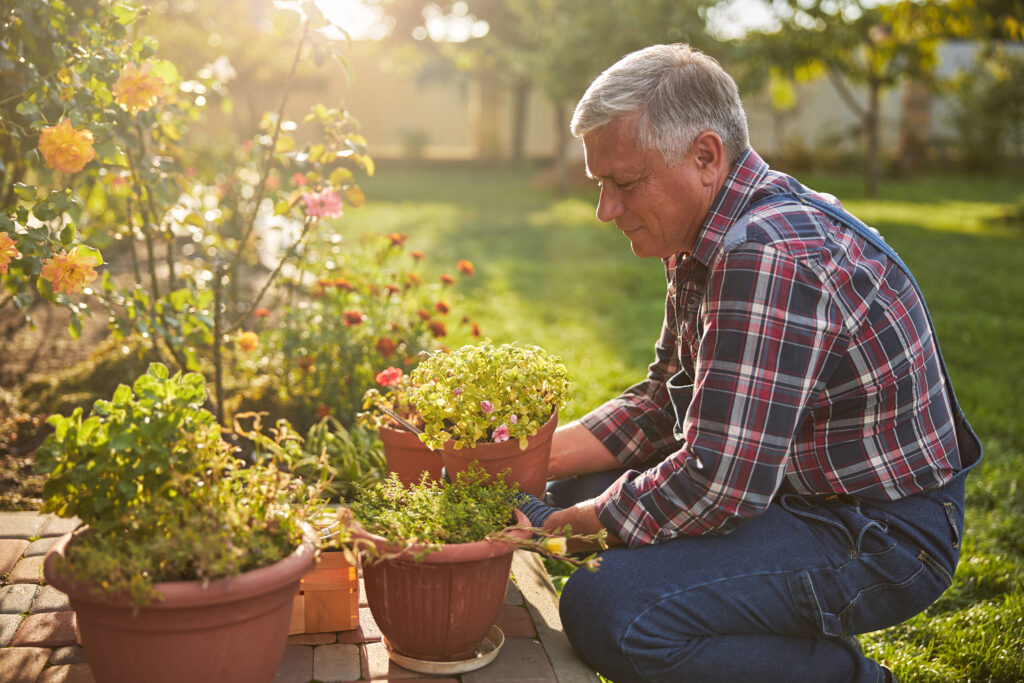
Gardening combines physical activity, mental stimulation, and emotional satisfaction in one of the most popular senior citizens hobbies. Whether working with houseplants, maintaining flower beds, or growing vegetables, gardening provides gentle exercise while connecting seniors with the natural world.
The planning, planting, and nurturing involved in gardening engage problem-solving skills and provide a sense of purpose and accomplishment. Watching plants grow and thrive offers emotional rewards that boost mood and self-esteem.
Wellness Benefits:
- Provides moderate physical exercise
- Offers exposure to sunlight and fresh air
- Creates sense of purpose and responsibility
- Produces nutritious food or beautiful flowers
Activities in Assisted Living Facilities: Promoting Engagement and Wellbeing
7. Bird Watching
Bird watching offers an accessible outdoor hobby that can be enjoyed from windows, gardens, or nature preserves. This activity encourages observation skills, patience, and learning about local wildlife and ecosystems.
Many seniors find bird watching provides a peaceful, meditative experience while keeping them connected to seasonal changes and natural rhythms. Joining local birding groups adds social interaction and opportunities to learn from experienced enthusiasts.
Social and Community-Based Senior Citizens Hobbies
Social and community-based hobbies offer seniors invaluable opportunities to build meaningful connections and combat the isolation that can often accompany aging.
These activities provide structured environments where older adults can share experiences, learn from one another, and develop lasting friendships with people who have similar interests and life stages.
Participating in group activities not only enhances emotional well-being through regular social interaction but also creates a sense of purpose and belonging within the community.
Whether joining a book club, volunteering for local causes, or participating in community events, these hobbies help seniors maintain their social skills while contributing their wisdom and experience to others.
8. Volunteering
Volunteering represents one of the most meaningful senior citizens hobbies, providing opportunities to contribute to community causes while maintaining social connections and sense of purpose. Whether working with children, supporting environmental causes, or helping other seniors, volunteer work offers emotional fulfillment that comes from making a difference.
Many seniors find that volunteering helps them process their own life transitions while using their accumulated wisdom and experience to benefit others. The social connections formed through volunteer work often become lasting friendships that enhance overall quality of life.
9. Dancing
Dancing combines physical exercise and social interaction, in one of the most enjoyable senior citizens hobbies. Whether learning ballroom dancing, participating in line dancing, or joining cultural dance groups, this activity provides multiple health benefits while being genuinely fun.
The coordination required for dancing helps maintain balance and motor skills while the social aspects combat isolation and loneliness. Many communities offer dance classes specifically designed for seniors, with modifications for different ability levels.
Assisted Living Communities: A Complete Guide to Finding the Right Fit
Technology and Modern Senior Citizens Hobbies
Technology and modern hobbies open up exciting new worlds for seniors, offering innovative ways to stay connected, learn, and explore interests that weren’t possible in previous generations.
These digital pursuits help bridge generational gaps by enabling seniors to communicate more easily with family members, access vast libraries of information, and participate in online communities centered around their passions.
Learning new technologies also provides excellent mental stimulation, challenging the brain to adapt and grow while building confidence in navigating our increasingly digital world.
From video calling grandchildren to exploring virtual museum tours or trying online gaming, these modern hobbies demonstrate that age is no barrier to embracing new experiences and staying current with the times.
10. Photography and Digital Arts
Modern photography offers seniors opportunities to explore their creativity while learning new technology skills. Digital cameras and smartphone photography make it easier than ever to capture and share beautiful images.
Photography encourages seniors to explore their communities, notice beauty in everyday objects, and document family memories. Learning photo editing software adds another layer of creative expression while keeping minds engaged with new technology.
Creative Benefits:
- Encourages exploration and adventure
- Develops artistic eye and composition skills
- Creates lasting memories and documentation
- Facilitates sharing with family and friends
11. Writing and Storytelling
Writing memoirs, poetry, or fiction provides seniors with opportunities to process life experiences while preserving family history for future generations. Many seniors discover they have important stories to tell and find great satisfaction in putting their experiences into words.
Writing groups and memoir classes offer social support and encouragement while providing structure for ongoing projects. The process of organizing thoughts and memories into coherent narratives provides excellent cognitive exercise.
How Do Assisted Living Facilities Accommodate Special Diets or Nutritional Needs?
Culinary Senior Citizens Hobbies
Culinary hobbies offer seniors a delightful blend of creativity, practicality, and sensory engagement that can bring immense satisfaction to daily life.
Cooking and baking activities stimulate multiple senses while encouraging experimentation with new flavors, techniques, and cuisines from around the world.
These kitchen-based pursuits provide opportunities to preserve family traditions by documenting cherished recipes. They also create new memories through shared meals with friends and loved ones.
Beyond the joy of creating delicious food, culinary hobbies help maintain fine motor skills, following instructions, and planning abilities, all while producing tangible results that can be enjoyed and shared with others.
12. Cooking and Baking
Exploring new recipes, learning different cuisines, or perfecting traditional family dishes represents a practical and enjoyable category of senior citizens hobbies. Cooking engages multiple senses, requires planning and organization, and produces tangible results that can be shared with others.
Many seniors use retirement as an opportunity to finally master cooking techniques they never had time to explore during busy working years. Cooking classes designed for seniors often emphasize nutrition, safety, and social interaction while teaching new skills.
The act of preparing meals for family gatherings or community events provides a sense of contribution and nurturing that enhances emotional well-being. Additionally, maintaining cooking skills helps seniors stay independent and well-nourished.
Finding the Right Senior Citizens Hobbies
Selecting the most suitable senior citizens hobbies requires honest assessment of personal interests, physical capabilities, and social preferences.
The best hobbies are those that provide appropriate challenge levels. They should be engaging enough to maintain interest but not so difficult as to cause frustration or stress.
Many seniors benefit from trying several different activities before settling on favorites. Community centers, libraries, senior centers, and assisted living communities often offer introductory classes that allow seniors to explore various hobbies without major commitments.
Considerations for Hobby Selection:
- Current physical abilities and limitations
- Budget constraints and equipment requirements
- Social preferences for group versus individual activities
- Time availability and scheduling flexibility
- Personal interests and past experiences
Assisted Living Benefits: Why It’s the Right Choice for Many Seniors
Final Thoughts
Senior citizens hobbies provide far more than simple entertainment. They offer pathways to continued growth, learning, and fulfillment during the retirement years. The mental stimulation, social connections, and sense of purpose that come from engaging hobbies contribute significantly to successful aging and overall quality of life.
The key is finding activities that resonate with individual interests while providing the cognitive, physical, and emotional benefits that support healthy aging.
Whether pursuing long-neglected creative interests, exploring entirely new skills, or deepening existing knowledge, the right hobbies can transform retirement from a period of decline into an era of continued discovery and growth.
Explore Your Interests in Our Vibrant Community: We invite you to visit our assisted living community where residents pursue diverse hobbies and interests in supportive, engaging environments.

